Eastrington Primary
Enrich - Enjoy - Excel
Portington Road, Eastrington, Goole. DN14 7QE
To find out where we are visit view a map on our Contact Us page.
Language
Modern Foreign Languages

Intent, Implementation and Impact of Primary Modern Foreign Languages at
Eastrington Primary School
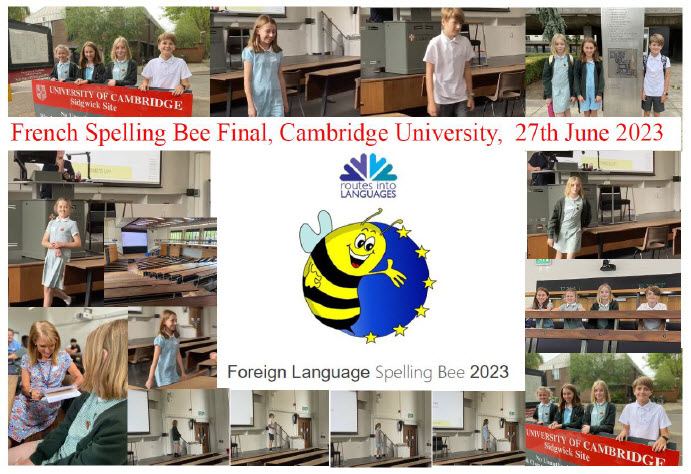
Intent
It is our intention, at Eastrington Primary School, that pupils develop a deep interest in and appreciation for other cultures, as they learn to understand and express themselves with increasing confidence in French. It is our intention that pupils will develop specific knowledge of one language, French, learning words and structures that enable them to ask and answer questions, listen to, read and understand stories, songs, poems and other short texts, and to write from memory about themselves. By the end of KS2, our intention is that our pupils are able to express their ideas and thoughts in another language, and to understand and respond to its speakers. At the same time, the children will develop language learning skills and strategies that will equip them for the learning of additional languages. In short, we hope to lay the foundations for future language learning.
We also intend to build the children’s cultural capital so that they are aware of similarities and differences between cultures, with an enhanced understanding of the world and the essential knowledge they need as global citizens in the 21st century.
Implementation
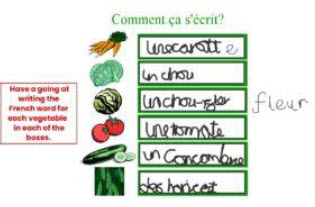
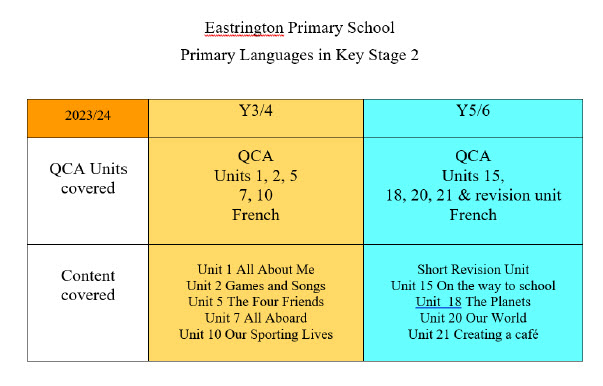
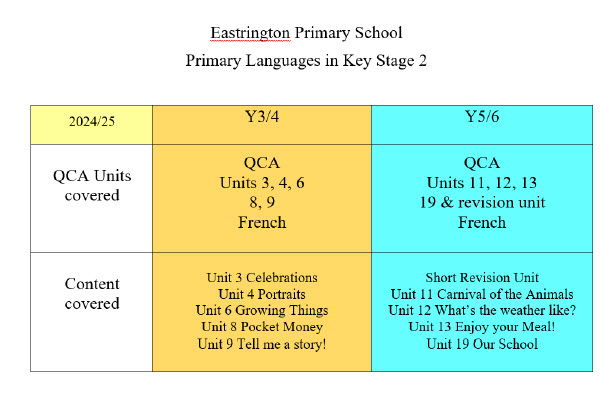
Our Primary Language curriculum has been designed to progressively develop skills in French. We are currently using the QCA units to deliver our French lessons; these ensure that children acquire a bank of vocabulary and phonic knowledge organised around topics. The QCA units ensure that development is progressive as they build on previous knowledge from units already studied.
All pupils in KS2 learn languages for no less than 45 minutes per week, made up of dedicated language lessons and using language for real purposes in daily classroom routines.
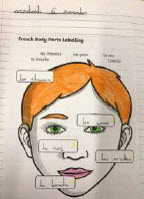
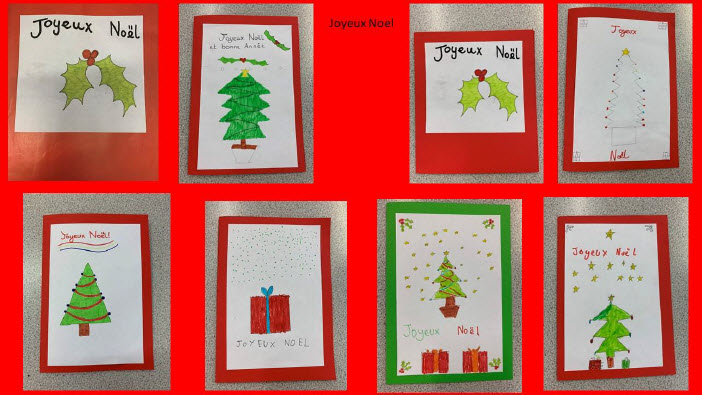
During these lessons, pupils are given regular opportunities to listen to, join in with, read, speak and write French. In the early stages of language learning, pupils engage in a lot of learning to train the ear, to tune into and learn how to produce the sounds of the language, through the explicit teaching and learning of phonics and phonics-related activities. Joining in with songs, rhymes, stories and poems all serve to reinforce the sound-writing patterns. Pupils then begin to develop, from the earliest stages in Y3, the ability to form simple sentences of their own, with relation to topics of close, personal interest, such as self and family. As learning develops, pupils are given opportunities to engage with French culture, learning about places, festivals and other aspects of daily life in countries where the language is spoken. They develop confidence in writing from memory, building up over the course of KS2 to being able to write a short paragraph with information on a given topic. Teachers make use of a wide variety of resources, including books, games, video clips, information-finding (research) and computing. These supplement the Smartboard resources which are used as the focus of the lesson. There are clear links with English, particularly through the teaching of grammar, and teachers work together to join up these aspects of pupil language development.
Impact
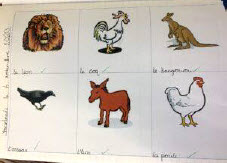
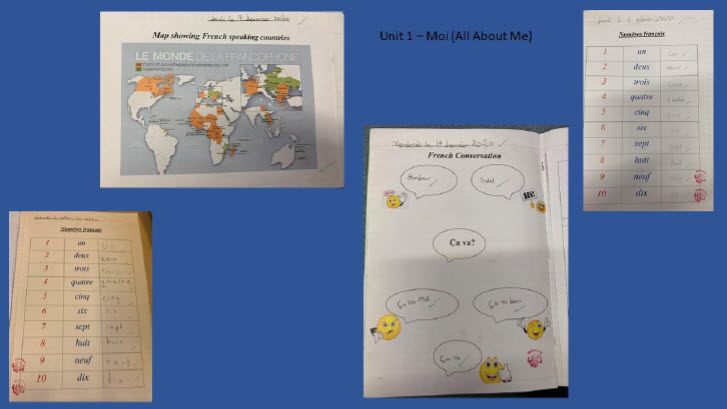
Assessment in languages is primarily to inform and support teaching and learning, enabling the class teacher to refine planning to best meet learner needs. During lessons, the class teacher, where appropriate, will unobtrusively assess particular competencies as they emerge in the course of teaching and learning. Pupils’ work will be completed in an exercise book, which will be an additional source of ongoing evidence of progress.
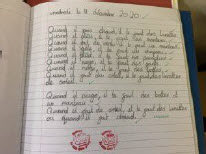
This work will be marked in accordance with the school’s Marking and Feedback policy.
For the purposes of transition, we are currently strengthening lines of communication with receiving secondary schools. We will transfer data at the end of Y6, as requested. We are also happy to provide additional comments and a sample of pupil work in the form of a transition booklet which will be developed in Year 7.
Primary Modern Foreign Languages is monitored by the subject leader in all KS2 year groups using a variety of strategies including book scrutinies, learning walks, staff discussions and pupil interviews. Feedback is given to the teachers and targeted CPD is provided, where appropriate.
Curriculum Documents
 Primary Languages Progression Ladder 2024.pdf
Eastrington Primary School Primary Languages Policy Spring 2024
A vision statement for language learning in the East Riding of Yorkshire 2024.pdf
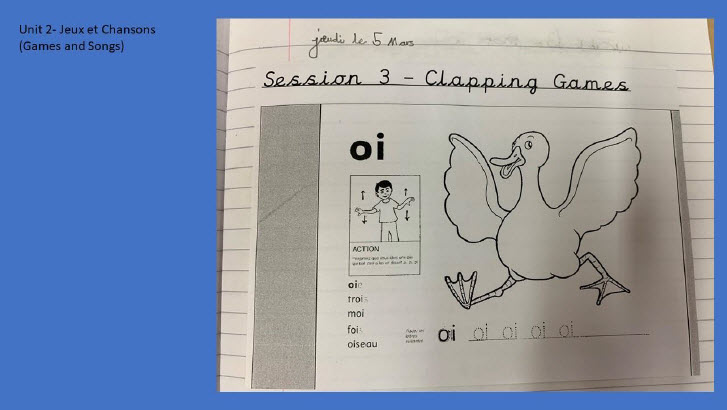
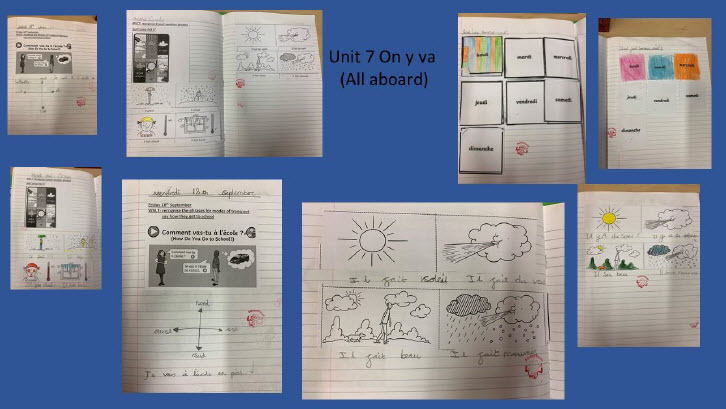
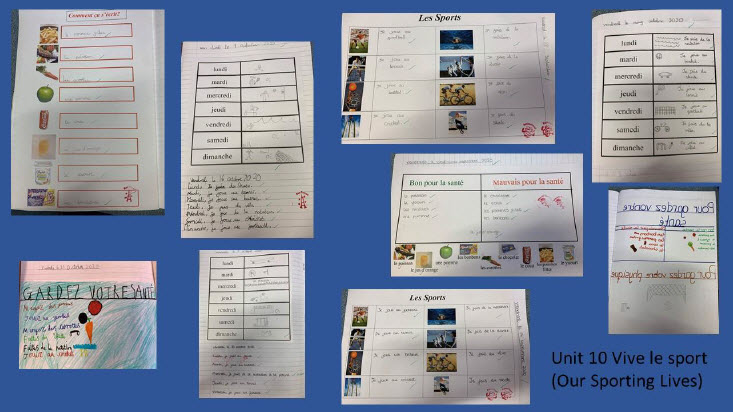
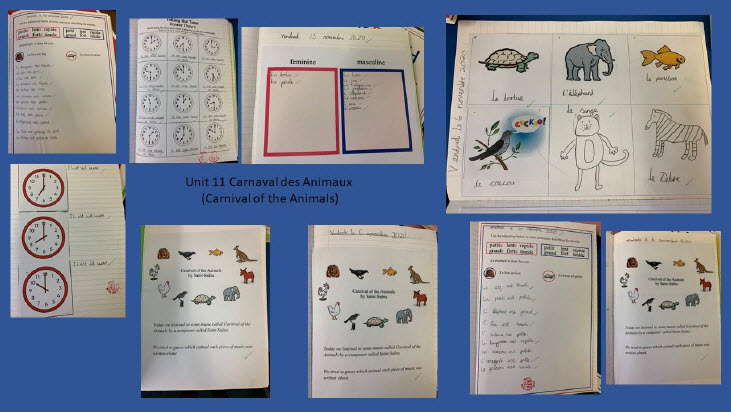
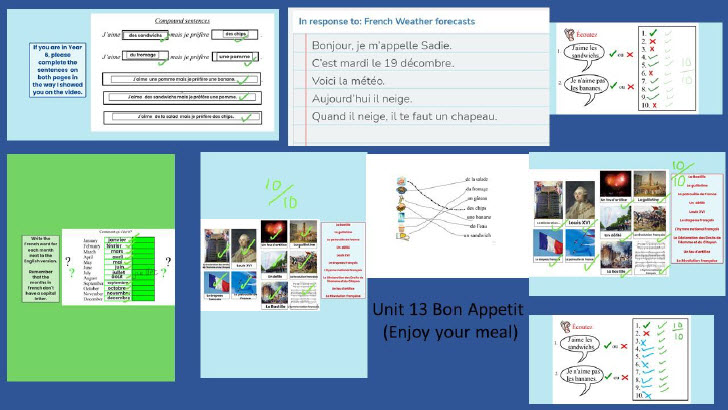
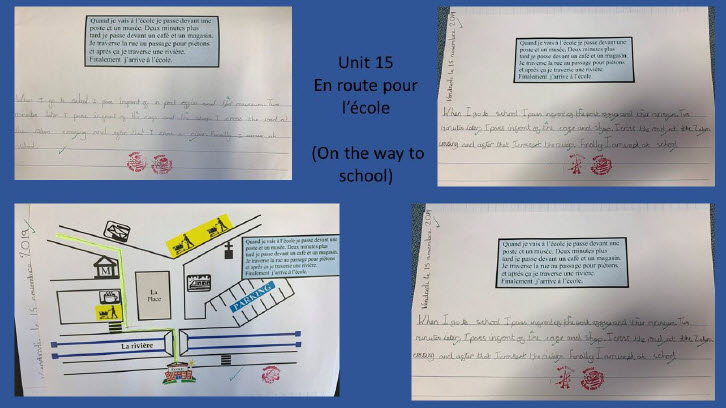
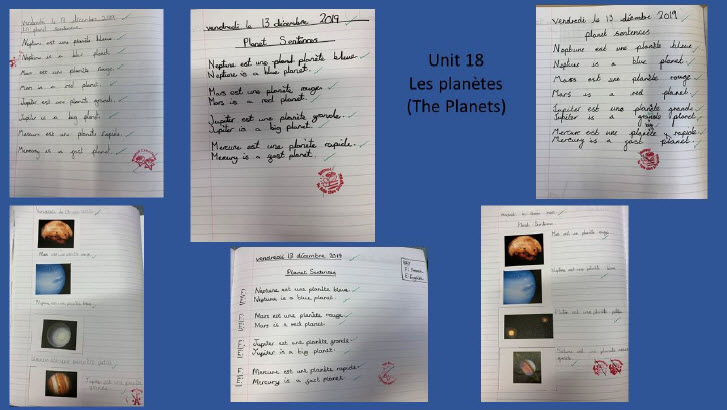
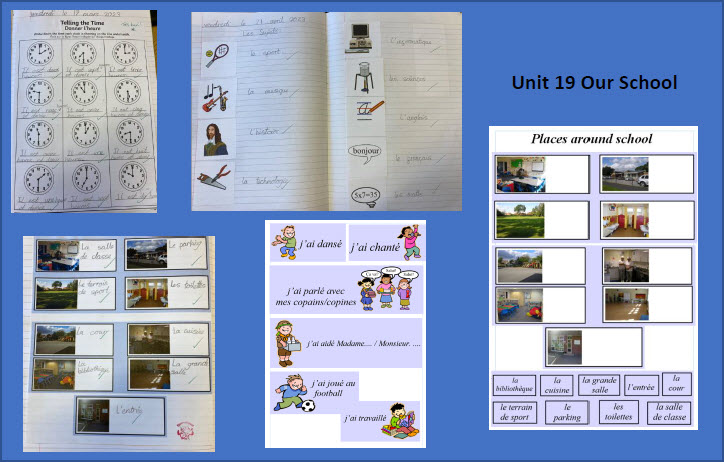
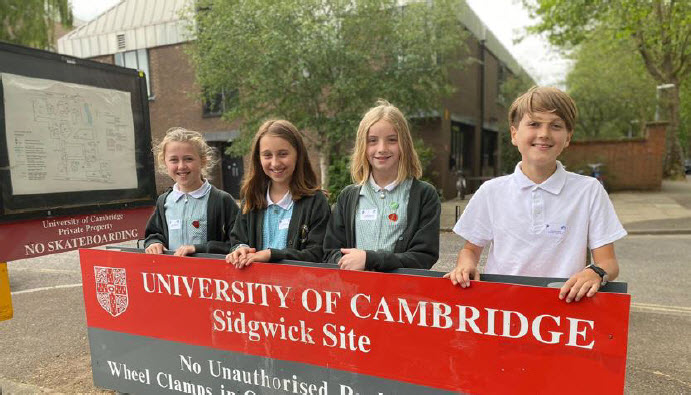
What does Modern Foreign Languages look like at Eastrington Primary School?



Let's Talk About School



A wonderful environment in which to learn, play and grow.