History at Eastrington Primary School
Subject Coordinator: Lucy Hardcastle
At Eastrington Primary School we shape our history curriculum to ensure it is fully inclusive to every child. Our aims are to fulfil the requirements of the National Curriculum for History; providing a broad, balanced and differentiated curriculum that encompasses the British Values throughout; ensuring the progressive development of historical concepts, knowledge and skills; and for the children to study life in the past.
Intent
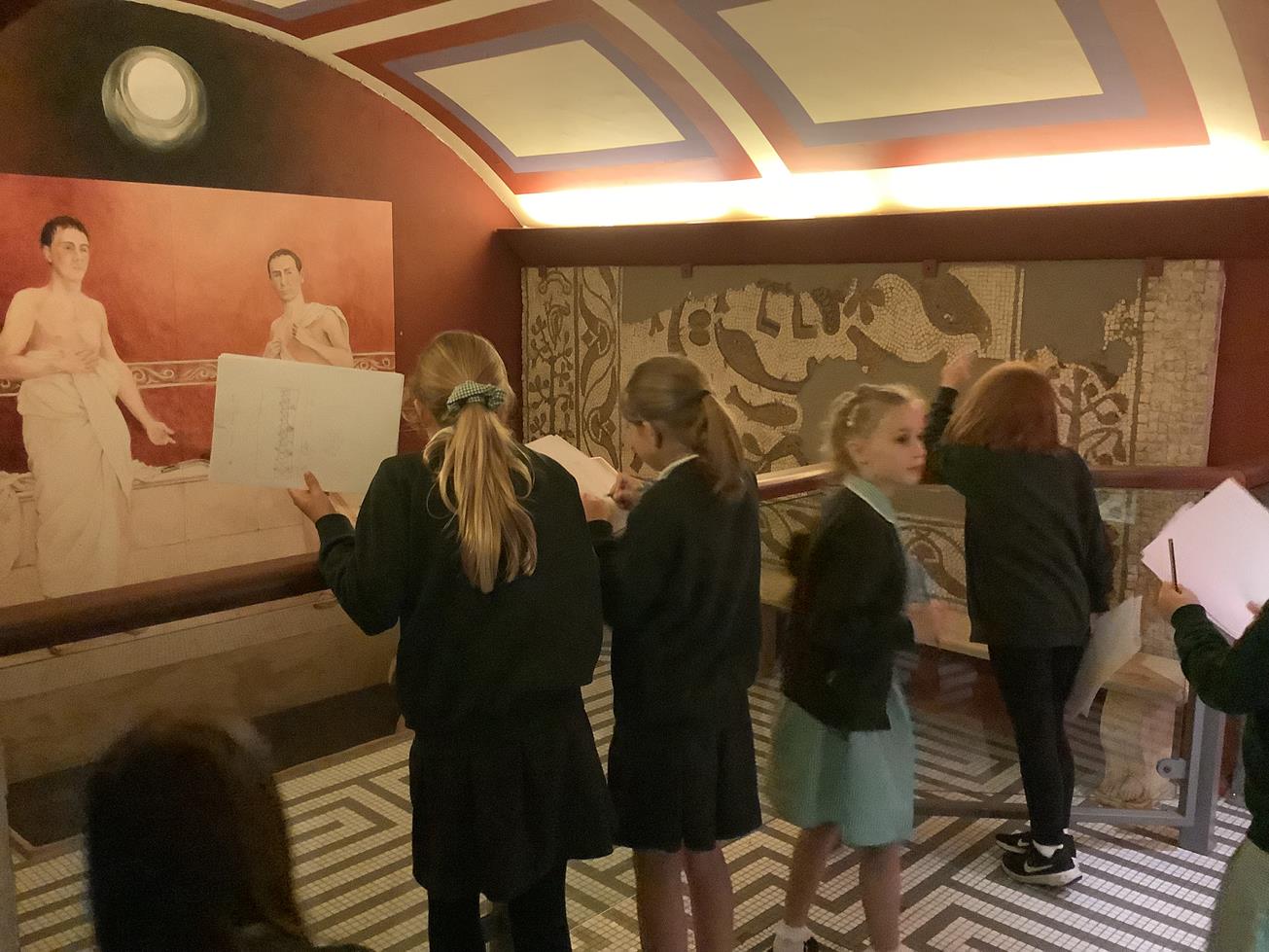
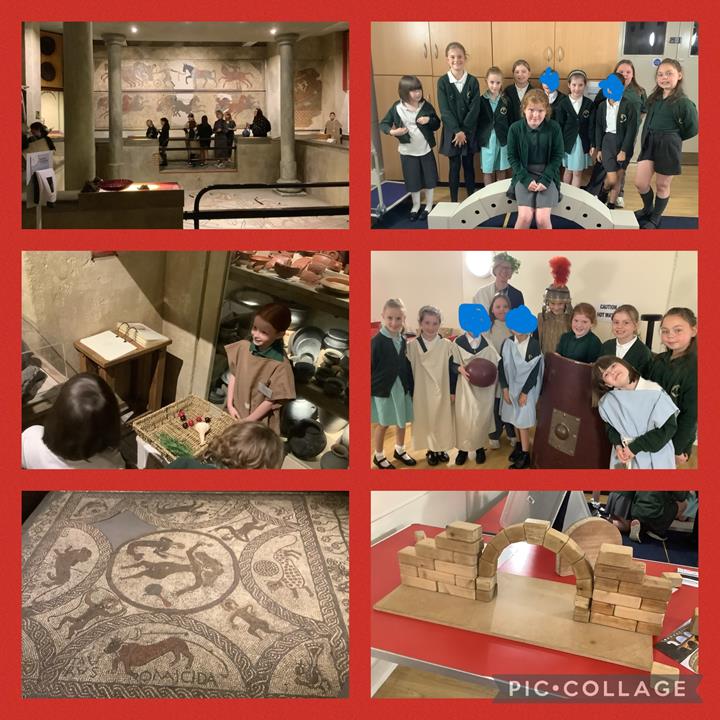
At Eastrington, we aim for a high-quality history curriculum which should inspire in pupils a curiosity and fascination about the Britain’s past and that of the wider world. Our teaching equips pupils with knowledge about the history of Britain and how it has influenced and been influenced by the wider world; know and understand about significant aspects of the history of the wider world like ancient civilisations and empires; changes in living memory and beyond living memory; learn about the lives of significant people of the past; understand the methods of historical enquiry and be able to ask and answer questions. We want children to enjoy and love learning about history by gaining this knowledge and skills, not just through experiences in the classroom, but also with the use of fieldwork and educational visits.
Implementation
In ensuring high standards of teaching and learning in history, we implement a curriculum that is progressive throughout the whole school. History is taught as part of a half-termly topic, focusing on knowledge and skills stated in the National Curriculum. At Eastrington, we ensure children are given the opportunity to develop a range of history skills including: understanding chronology, ask historical questions, explain events of the past, compare sources and question events. We ensure that history has the same importance given to it as the core subjects, as we feel this is important in enabling all children to gain ‘real-life’ experiences. For example, using the local area to look at how buildings have changed in Key Stage 1, to comparing the similarities and differences in environments and communities in Lower Key Stage 2, through to looking at an in-depth study of the locality in Upper Key Stage 2. We also aim to use a variety of historical sources and resources to enthuse pupils in history lessons.
Impact
The impact and measure of this is to ensure that children at Eastrington are equipped with historical skills and knowledge that will enable them to be ready for the next stage of their learning and for life as an adult in the wider world. Children should feel more confident to talk about their learning in history using appropriate vocabulary and reference to significant events. Pupils should understand about chronology and be able to describe different periods of time. They should know and understand how the history of Britain has shaped modern day Britain and how Britain has influenced and been influenced by the wider world. Most importantly, we want the children to have thoroughly enjoyed learning about history, therefore encouraging them to undertake new life experiences now and in the future.